Eco-Friendly and Elegant: Fresh Produce Boxes Packaging of Tomorrow
Innovation is reshaping the fresh produce packaging landscape. Sustainability and style are becoming essential for attracting eco-conscious consumers. Modern purchasers want packaging that reduces environmental impact while maintaining aesthetic appeal. New materials and design approaches are surfacing to fulfill these needs. The interplay between functionality and visual appeal prompts important questions about the future of packaging in this sector. Which innovations will shape the next generation of fresh produce boxes?
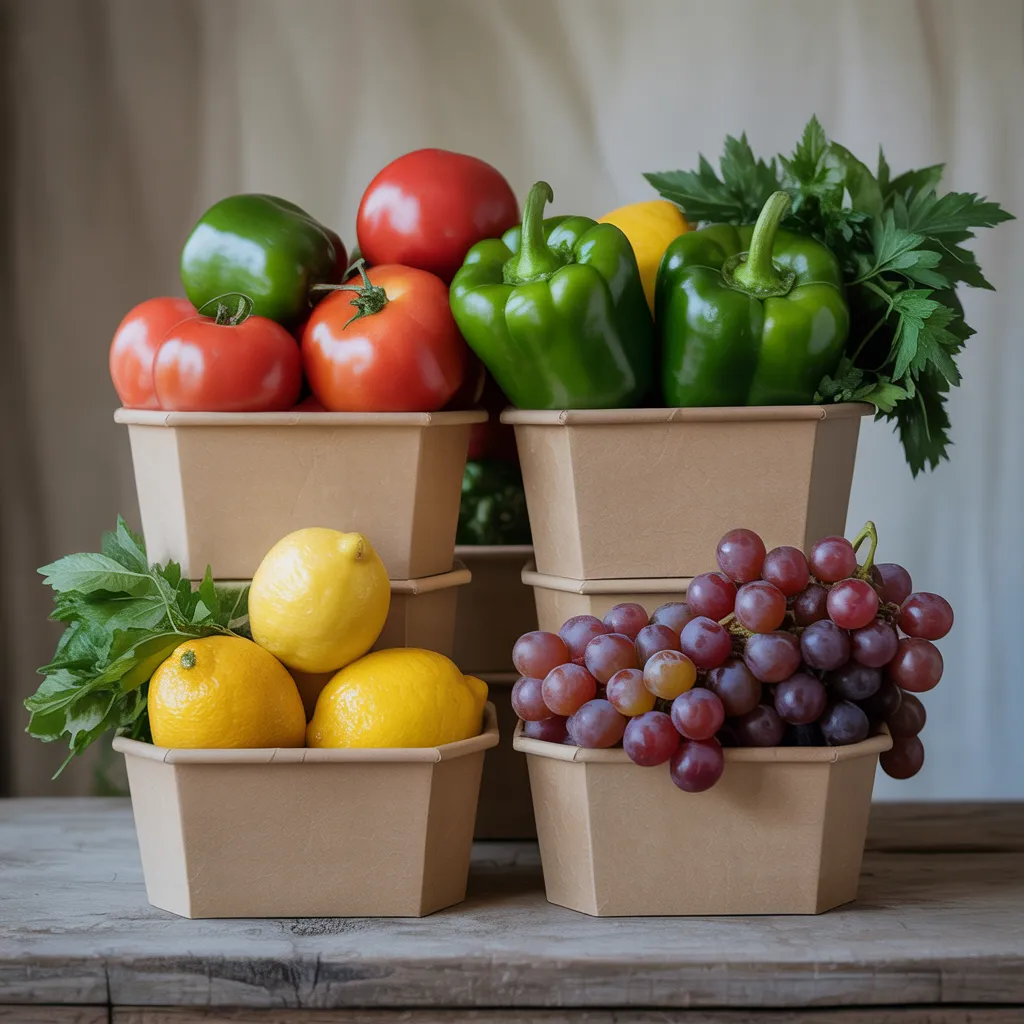
The Value of Environmentally Responsible Packaging in Fresh Produce
Sustainability emphasizes the growing need for green practices in the food industry, specifically in the packaging of fresh produce. Typical packaging methods typically rely on plastics that lead to environmental degradation and waste. By adopting sustainable packaging solutions, the industry can substantially reduce its ecological footprint. Materials such as biodegradable plastics, recycled paper, and plant-based options are gaining traction, encouraging both environmental integrity and consumer appeal.
Additionally, sustainable packaging not only minimizes waste but also improves the shelf life of fresh produce, reducing spoilage and loss. This double advantage corresponds to the rising demand for transparency and responsibility in sourcing and packaging among consumers. As awareness of environmental issues grows, the importance of sustainable packaging becomes critical, positioning brands that prioritize these practices as leaders in an increasingly eco-conscious marketplace. Implementing sustainable packaging is not just a trend; it is a essential evolution in the fresh produce sector.
What Eco-Friendly Shoppers Are Looking For
Eco-conscious shoppers progressively opt for minimalist designs that mirror their values of environmental stewardship and minimalism. They are also demanding packaging made from biodegradable materials, matching their consumption habits with sustainable practices. Comprehending these tendencies is crucial for brands aiming to resonate with this growing market segment.
Minimalistic Design Preferences
How might packaging embody the ideals of modern mindful shoppers? Simple design aesthetics are growing in popularity with environmentally aware consumers, pursuing both straightforward aesthetics and functional purpose. This design ethos emphasizes clean lines, neutral colors, and an absence of excessive branding, aligning with a desire for transparency and authenticity. Buyers favor packaging that emphasizes the organic aesthetics of the contents, developing a closer tie to the products they purchase. Moreover, simple design approaches frequently lower material consumption, corresponding with green initiatives. By emphasizing core design features, brands can communicate their commitment to environmental responsibility while resonating with shoppers' design preferences. This trend favoring minimal design elevates the product reveal experience while also harmonizing with intentional buying practices.
Biodegradable Material Requirements
As shoppers grow more conscious of ecological concerns, the demand for biodegradable materials in packaging has grown significantly. Green-minded buyers are focusing on sustainability, seeking products that lessen their carbon footprint. This shift is encouraging brands to explore innovative materials such as compostable films, plant-based plastics, and paper substitutes. These biodegradable options not only minimize garbage accumulation but also match consumers' values of responsible consumption. Market research reveals that shoppers are willing to pay a premium for packaging that is environmentally friendly, reflecting a larger shift to sustainability in purchasing decisions. As a result, companies are reacting by integrating biodegradable solutions into their packaging strategies, enhancing their appeal to a rising number of environmentally aware consumers.
Key Materials for Green Produce Crates
The selection of materials for eco-friendly produce boxes plays a crucial role in sustainable packaging. Materials such as biodegradable make a move materials, recyclable substances, and innovative plant-based solutions are attracting interest for their environmental benefits. Understanding these key materials can support consumers and producers make informed choices that encourage sustainability.
Environmentally Friendly Packaging Choices
Multiple biodegradable packaging solutions are presently available for eco-friendly produce boxes, indicating a growing commitment to sustainability. Materials such as cornstarch, mushroom mycelium, and plant-based plastics are progressively favored for their potential to decompose naturally without leaving toxic residues. In addition, paper and cardboard made from recycled resources offer a lightweight yet sturdy alternative, suitable for diverse produce types. These materials not only reduce environmental impact but also enrich the consumer experience by aligning with values of health and responsibility. As demand for sustainable packaging grows, manufacturers are innovating to create functional designs that maintain freshness while minimizing waste, leading to a greener future in the produce industry.
Materials in Application That Are Recyclable
Investigating recyclable materials reveals a range of eco-friendly options that improve the sustainability of produce boxes. Cardboard, a widely used recyclable material, provides strength and versatility while being easily repurposed. Paperboard packaging, equivalent in characteristics, presents a lightweight solution that can be efficiently recycled. Furthermore, certain plastics, such as PET and HDPE, are increasingly being implemented into produce box designs. These materials not only reduce waste but also facilitate a closed-loop system when collected properly. The use of inks and adhesives that are also recyclable further complements these efforts. By focusing on recyclable materials, companies can greatly reduce their environmental footprint, conforming with consumer demands for sustainable practices in the food packaging industry.
Revolutionary Plant-Based Alternatives
While traditional materials rule packaging, innovative plant-based solutions are appearing as game-changers for eco-friendly produce boxes. These materials, obtained from renewable resources including corn starch, sugarcane, and bamboo, provide sustainable alternatives that decrease environmental impact. Biodegradable options degrade naturally, reducing landfill waste and fostering a circular economy. Additionally, plant-based polymers can be engineered to offer durability while retaining a lightweight profile, improving transport efficiency. Companies are continually adopting these solutions to meet consumer demand for sustainability, often including eye-catching designs that emphasize their eco-friendliness. As technology evolves, these materials persistently evolve, offering even greater functionality and aesthetic appeal, creating the way for a greener future in produce packaging.
Environmentally Responsible Designs That Appeal to Eco-Conscious Customers
How can sustainable packaging designs effectively attract the attention of eco-conscious consumers? The answer can be found in several strategic elements that resonate with their values. Initially, using recyclable or biodegradable materials exhibits a commitment to environmental responsibility, speaking directly to consumers' wish for sustainable practices. Additionally, minimalistic designs that cut down on waste not only express a message of simplicity but also match the eco-conscious ethos of minimizing excess.
Moreover, adding elements such as natural inks and dyes reinforces the organic nature of the product. Clear labeling that highlights sustainability efforts informs consumers, building trust and loyalty. Ultimately, engaging storytelling about the origin of materials and the brand's mission can develop a deeper connection, making the packaging not simply a container. By incorporating these features, companies can craft packaging that not only engages eco-conscious consumers but also inspires them to actively support sustainable brands.
Achieving Design Attractiveness and Eco-Conscious Packaging
Eco-friendly packaging is able to attain striking appearance without compromising its ecological soundness. Through incorporating eco-conscious materials, like recycled paper and biodegradable plastics, organizations can craft attractive design solutions that appeal to sustainability-minded buyers. The application of vivid hues derived from plant-based dyes improves the aesthetic appeal while maintaining sustainability.
Unique shapes and minimalist designs can also enhance packaging aesthetics, attracting attention on store shelves. Incorporating clear windows created from compostable materials permits consumers to see the fresh produce inside, additionally enticing them.
Additionally, brands can utilize textures that evoke a sense of organic quality, aligning with the ethos of sustainability. This dual focus not only elevates the visual dynamics of the packaging but also communicates a commitment to environmental responsibility. Ultimately, the convergence of aesthetic appeal and sustainability in packaging can foster deeper connections with consumers, reinforcing their loyalty to brands that prioritize both beauty and the planet.
Technology's Influence on Sustainable Packaging
Developments in technology are revolutionizing the landscape of sustainable packaging, presenting innovative solutions that minimize environmental impact. Advanced materials, such as biodegradable plastics and plant-based composites, are now being designed to replace traditional petroleum-based options. These materials not only decompose more effectively but also retain structural integrity, confirming that fresh produce remains protected during transport.
Additionally, smart packaging technologies, including QR codes and sensors, improve traceability and minimize food waste by giving consumers with real-time information about freshness and shelf life. Automation and robotics in production processes are optimizing manufacturing, minimizing waste and energy consumption. Additionally, digital printing innovations allow more efficient use of inks and materials, encouraging customization without compromising sustainability.
Upcoming Advancements in Perishable Food Packaging
With the ongoing evolution of fresh produce demand, cutting-edge packaging solutions are developing to address both green initiatives and consumer preferences. Compostable materials are entering the mainstream, with companies researching botanical plastic materials and compostable films that decrease landfill waste. Smart packaging innovations are also growing, integrating sensors to assess freshness and provide real-time data on product quality. This not only elevates customer experience but also decreases food waste.
Furthermore, modular designs are gaining traction, facilitating customizable packaging that adjusts to multiple produce types while optimizing space during transportation. The integration of minimalist aesthetics satisfies consumer demand for sustainability without forgoing style. As these innovations develop, they are poised to transform the landscape of fresh produce packaging, reconciling ecological responsibility with practical functionality and consumer appeal. The future of packaging in this sector seems encouraging, leading to a more sustainable approach to food distribution.
FAQ
How Should Consumers Properly Recycle Fresh Produce Boxes?
Shoppers can properly recycle produce boxes by initially removing any plastic materials, then folding down the boxes, and setting them in specified recycling bins. They should review regional guidelines to verify correct recycling practices are followed.
What Are the Costs Associated With Sustainable Packaging?
The financial implications of sustainable packaging typically encompass increased material expenditures, operational changes, and potential supply chain modifications. However, future financial benefits could emerge from minimized waste, strengthened brand allegiance, and alignment with environmental regulations.
Can Eco-Friendly Produce Packaging Be Certified?
Indeed, multiple certifications can be found for eco-friendly produce packaging, including FSC, Cradle to Cradle, and USDA Organic. These certifications verify that materials adhere to environmental standards, encouraging sustainability and responsible sourcing in packaging solutions.
How Can Fresh Produce Boxes Impact Food Shelf Life?
Fresh produce boxes can significantly affect food shelf life by ensuring ideal ventilation, moisture control, and protection from physical damage. These components help retain freshness, reducing spoilage and prolonging the usability of the contents.
Is Sustainable Packaging Reusable for Different Applications?
Eco-friendly packaging materials can frequently be repurposed for different uses, including organizing items or storing belongings. The robust construction and sustainable materials motivate users to find new uses for items, encouraging resource and cutting down on total environmental waste.