How to Choose the Best Food Packaging Boxes for Your Retail Business
Choosing the correct food packaging boxes is important for any retail business. The selection process encompasses various factors, including materials, design elements, and eco-friendliness. Each aspect contributes meaningfully in preserving product quality and engaging buyers. Retailers must assess how these aspects complement their brand values and industry standards. Recognizing these nuances can make a difference in overall success. What specific criteria should retailers focus on to secure optimal packaging outcomes?
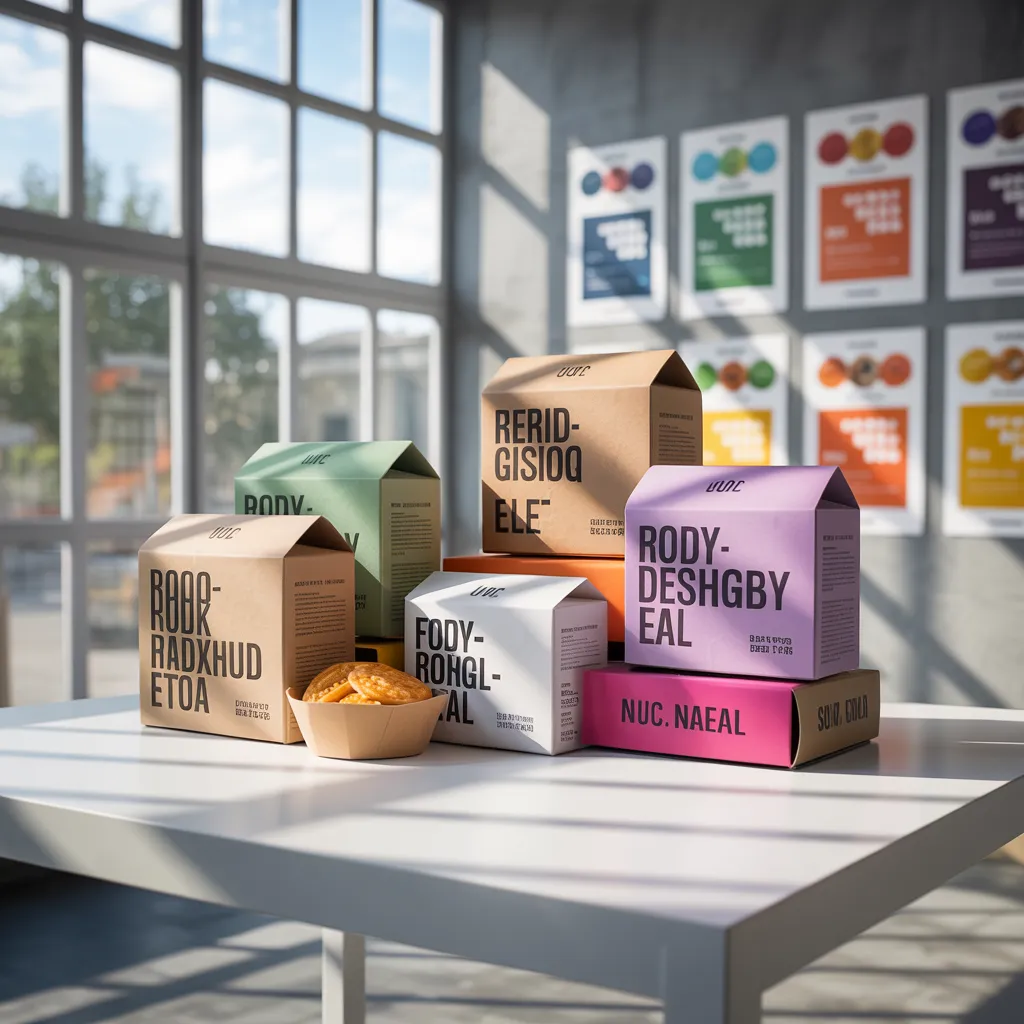
Why Food Packaging Matters for Retail Success
Food packaging plays an essential role in the success of retail businesses by shaping how consumers perceive products and make buying choices. Well-designed packaging acts as a quiet marketing tool, conveying essential details about the item while establishing an attractive brand presence. It draws the eye amid busy retail displays and can differentiate a product from competitors.
Furthermore, packaging gives consumers peace of mind regarding product quality and safety, which is critical in the food industry. Transparent labeling, appealing designs, and environmentally responsible materials can enhance brand loyalty and promote repeat purchases. In addition, well-planned packaging can communicate the brand's values and story, fostering a stronger connection with the customer.
Given the expansion of e-commerce, packaging serves a crucial function in confirming that goods arrive without damage and retain their aesthetic quality, shaping customer feedback and satisfaction levels. At its core, thoughtful packaging is a significant component in boosting sales and building lasting retail growth.
Critical Materials Used in Food Packaging
Choosing the correct substances for food packaging is crucial for upholding product integrity and ensuring safety. Different materials perform distinct purposes, impacting both preservation and the customer experience. Widely adopted options include paperboard, which provides durability and recyclability, positioning it as an eco-friendly choice. Plastic, particularly PET and HDPE, provides excellent barrier properties, protecting food from moisture and contamination. Glass containers are preferred for their inert nature, maintaining flavor and eliminating chemical interactions.
Metallic packaging solutions, including aluminium cans, proves excellent for extending shelf life, especially for perishable products. Additionally, compostable and biodegradable materials are gaining popularity, supporting sustainability goals. Every material's cost, availability, and compatibility with various food products needs to be thoroughly assessed. In the end, selecting the right packaging material not only safeguards food quality but also showcases a business's commitment to sustainable practices and safety.
How to Develop Packaging That Appeals to Customers
Strategic packaging design plays an essential role in capturing customer attention and increasing brand awareness. In order to reach this objective, businesses must focus on several key elements. As a starting point, color selection is essential; vivid colors can trigger feelings and draw the gaze, while more subdued tones can convey sophistication. Second, font choices should be clean and easy to read, making certain that brand identities and product details can be quickly understood.
Including creative forms or frameworks can also set a product apart on competitive store shelves, delivering an unforgettable impression for buyers. Moreover, graphics that communicate the product's standard or heritage can also draw in shoppers. Finally, weaving a storytelling component or brand message into the packaging nurtures a profound link with the desired audience, promoting interaction and brand devotion. By strategically uniting these features, organizations can craft packaging that simultaneously draws attention and solidifies their brand presence.
Sustainable Methods in Food Packaging: The Reasons They Matter
As consumers continue to prioritize ecological responsibility, the significance of sustainable practices in food packaging cannot be overstated. Retail enterprises are becoming more aware of the need to use environmentally friendly materials that cut down on waste and decrease their carbon footprint. Eco-friendly packaging solutions, including biodegradable, compostable, or recyclable materials, not only attract environmentally aware consumers but also strengthen brand reputation.
Integrating sustainable practices encourages transparency and accountability, allowing organizations to connect with the standards of their desired customer base. Furthermore, compliance requirements are evolving to enforce more rigorous ecological standards, rendering it necessary for organizations to integrate eco-friendly packaging alternatives.
Committing to eco-friendly methods can lead to long-term cost savings, as businesses may lower disposal costs and improve operational efficiency. At its core, embracing eco-conscious approaches to food packaging is not just an ethical choice; it is a forward-thinking approach that places businesses favorably in an growing environmentally conscious marketplace.
Striking the Perfect Balance Between Cost and Quality in Packaging
Within the retail food sector, balancing cost and quality in packaging is essential for success. Businesses must carefully evaluate material options to secure product durability while also implementing economical design solutions that draw in buyers. This equilibrium can significantly influence both profit margins and brand image.
Analyzing Material Selections
Selecting the right option for food storage boxes requires a detailed analysis of both cost and quality. Several options, such as plastic, cardboard, and biodegradable materials, offer individual advantages and drawbacks. Corrugated cardboard is often affordable and environmentally friendly, establishing it as a common option among businesses. However, its strength may sometimes not meet the needs of particular food items. Plastic packaging delivers superior moisture resistance and can extend storage duration, but its ecological footprint creates issues. Eco-friendly materials, though typically more expensive, align with environmental objectives and appeal to sustainability-focused buyers. In the end, the decision-making process should harmonize these factors, confirming the selected option safeguards the product while also accommodating brand values and budget constraints.
Affordable Design Techniques
Maintaining a balance between cost and quality in food packaging design requires careful planning and innovative thinking. Retail businesses should explore using standardized packaging sizes to lower manufacturing expenses while ensuring efficient use of materials. Employing simple yet eye-catching designs can enhance brand visibility without adding significant expenditure. Furthermore, choosing flexible materials supports a variety of packaging needs, minimizing waste and maximizing resource utilization. Partnering with suppliers to consider wholesale purchasing possibilities can further lower costs. Lastly, adopting eco-friendly approaches, such as eco-conscious or compostable materials, not only attracts eco-aware customers but can also generate check this resource enduring cost reductions. By adopting these budget-friendly approaches, businesses can achieve packaging that meets quality expectations while remaining budget-friendly.
Evaluating Packaging Options: Key Questions to Consider
How should a retail business go about choosing the most suitable food packaging boxes? Evaluating packaging options requires careful consideration of several key questions. To begin, businesses must evaluate whether the material is appropriate for the specific food product being packaged. Can it ensure food safety requirements are met while keeping the contents fresh? Next, they must consider the design—does it align with the brand identity while also being functional for customers?
Expense is an additional crucial factor. Will the business be able to preserve quality while keeping costs in check? Additionally, businesses should evaluate the packaging's eco-friendliness. Are there eco-friendly options that reduce environmental impact?
Finally، storage and transportation logistics should not be overlooked. Can the packaging be stored and transported without sustaining damage? By evaluating these factors, retail businesses are able to make well-informed choices that boost product appeal and secure customer contentment.
Frequently Asked Questions
What Are the Common Food Packaging Regulations I Should Know?
Standard food packaging guidelines encompass conformity with safety standards, labeling guidelines, material safety, and environmental directives. Moreover, businesses need to confirm that packaging prevents contamination and preserves product integrity throughout its shelf life.
What Are the Ways to Test Packaging Durability for My Products?
To assess packaging durability, one should conduct moisture resistance evaluations, drop tests, and compression tests. Examining how packaging holds up under various environmental conditions and handling procedures will offer valuable information regarding its overall durability and dependability for protecting products.
Is It Possible to Customize Packaging for Seasonal Promotions?
Yes, packaging is customizable for seasonal promotions. Companies commonly craft unique colors, graphics, and materials that align with the promotional theme, enhancing appeal while powerfully expressing the campaign message to capture the attention of customers during festive periods.
What Are the Most Effective Best Practices for Packaging Food for Delivery?
Effective food packaging for delivery includes employing robust, insulated materials to retain temperature, providing leak-proof construction, and adding clear labeling for ingredients and handling guidelines. Additionally, eco-friendly options enhance customer appeal and environmental responsibility.
How Can I Manage Packaging Waste in My Business?
To handle packaging waste efficiently, businesses should establish recycling initiatives, adopt biodegradable packaging options, and invite customers to recycle their packaging. Routine assessments can also uncover opportunities to minimize waste, fostering a more sustainable approach to operations.